Varanasi for Parents Who Cannot Walk Much Practical Guide ,Visiting Varanasi with elderly parents or loved ones who have limited mobility might seem daunting at first. After all, this ancient city is famous for its narrow, winding lanes and steep ghat steps leading down to the sacred Ganges River. But here’s the thing—with thoughtful planning and the right strategies, you can absolutely create a memorable and spiritually enriching experience for your parents, even if walking long distances isn’t an option for them.
This guide is designed to help you navigate Varanasi’s unique challenges while ensuring your parents can soak in the city’s divine atmosphere, witness its timeless rituals, and feel connected to its profound spirituality—all without exhausting themselves. Let’s dive into practical solutions that make this holy city accessible to everyone.
Understanding Varanasi’s Unique Challenges
The Sacred City’s Terrain
Varanasi for Parents Who Cannot Walk Much Practical Guide ,Varanasi wasn’t built with modern accessibility in mind. The old city, where most spiritual activities take place, features labyrinthine alleys barely wide enough for two people to pass. The famous ghats—those stepped embankments along the Ganges—can have anywhere from 50 to 100 steps, often uneven and steep.
The streets are unpaved in many areas, with cobblestones, potholes, and sudden level changes. During monsoon season, these can become slippery and treacherous. Add to this the constant flow of pilgrims, vendors, cows, and vehicles, and you’ve got a terrain that’s genuinely challenging for anyone with mobility limitations.
Why Accessibility Matters
Varanasi holds immense spiritual significance for millions of Hindus and Buddhists worldwide. For many elderly parents, visiting this city represents a lifelong dream or a crucial spiritual milestone. Denying them this experience simply because of mobility challenges seems unfair, doesn’t it? With the right approach, you can bridge the gap between Varanasi’s physical challenges and your parents’ spiritual aspirations.
Planning Your Trip: Pre-Travel Preparations
Best Time to Visit for Comfort
Timing matters tremendously when planning an accessible trip to Varanasi. The period from October to March offers the most pleasant weather, with cooler temperatures that won’t exhaust your parents as quickly. Avoid the scorching summer months (April to June) when temperatures soar above 45°C, making even minimal movement uncomfortable.
The winter months also mean less humidity and clearer skies, which translates to more comfortable boat rides and outdoor experiences. Plus, you’ll find festivals like Dev Deepawali in November, which offers spectacular views that can be enjoyed from stationary positions.
Booking Accessible Accommodation
Hotels with Wheelchair Access
Several hotels in Varanasi now cater to guests with mobility concerns. Properties like the Radisson Hotel Varanasi, Gateway Hotel Ganges, and Brijrama Palace offer wheelchair-accessible rooms, elevators, and ramps. When booking, specifically mention your requirements and ask for photographic evidence of their accessible features.
Look for hotels that are either along the ghats (offering direct river views without much walking) or slightly away from the congested old city (providing easier vehicle access). Some heritage properties have adapted their ground floors specifically for guests with mobility limitations.
Ground Floor Room Options
If your parents don’t use wheelchairs but simply tire easily, request ground floor rooms even in non-specialized hotels. This eliminates the need to navigate stairs multiple times daily. Many smaller guesthouses along the ghats have ground-level rooms with private sit-outs overlooking the river—perfect for morning chai while watching the sunrise over the Ganges.
Transportation Solutions in Varanasi
Accessible Airport and Railway Station Services
Varanasi’s Lal Bahadur Shastri International Airport offers wheelchair assistance upon request. Book this service in advance through your airline. The airport is relatively small and manageable, with ramps and accessible restrooms.
The Varanasi Junction railway station also provides wheelchair services and battery-operated cars for elderly passengers. You’ll need to contact the station superintendent’s office at least 24 hours before arrival to arrange this. The service is usually free but tipping the attendants is customary.
Hiring Private Vehicles with Drivers
This is non-negotiable for accessible travel in Varanasi. Hire a private car with an experienced local driver for your entire stay. Look for vehicles with good ground clearance (like Innova or Ertiga) that can navigate the city’s uneven roads more comfortably.
Your driver becomes more than just transportation—they’re your local guide, helper, and problem-solver. A good driver knows which routes avoid the worst roads and can drop you at points closest to your destinations. Expect to pay ₹2,500-3,500 per day for a reliable vehicle with a knowledgeable driver.
E-Rickshaws and Their Limitations
E-rickshaws are everywhere in Varanasi and can access narrower lanes than cars. However, they offer minimal comfort, no back support, and jostle passengers significantly on bumpy roads. Use them only for very short distances when absolutely necessary, and never for parents with back problems or severe mobility limitations.
Which Ghats Are Most Accessible?
Not all ghats are created equal when it comes to accessibility. Assi Ghat, at the southern end, has relatively gentler steps and wider platforms. More importantly, vehicles can get quite close to the top of the ghat, minimizing walking distance.
Dashashwamedh Ghat, the most famous and where the main evening aarti takes place, is extremely crowded but has the advantage of numerous boat access points. Instead of descending the steps, you can board a boat from nearby points and view the ghat from the water.
Avoid attempting to take mobility-challenged parents down ghats like Manikarnika (the cremation ghat) or Scindia Ghat, which have particularly steep and uneven steps. The spiritual experience can be observed from boats on the river instead.
Hiring Porters and Wheelchair Assistance
Local porters can be hired to carry folding wheelchairs or help support your parents while navigating difficult terrain. These services aren’t officially organized, so you’ll negotiate rates on the spot—typically ₹300-500 for a few hours of assistance.
Some families have found success with collapsible transport wheelchairs specifically for navigating shorter distances. Your hotel can often arrange for local helpers who are experienced with the terrain and can assist in maneuvering through crowds and uneven surfaces.
Viewing Ganga Aarti from Boats
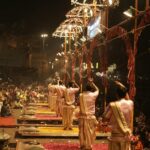
Here’s a game-changer: instead of fighting crowds on the ghats to watch the famous Ganga Aarti ceremony, book a private boat. Your parents can sit comfortably with cushions and blankets while the boat anchors at the perfect viewing distance from the ceremony.
The boat experience actually offers superior views since you can see the entire spectacle from the river, just as the priests are oriented. Book through your hotel or a reputable tour operator (₹1,500-2,500 for a private boat for one hour). Request cushioned seating in advance and time your arrival for about 30 minutes before the aarti begins to secure a good position.
Temple Visits Made Easier
Kashi Vishwanath Temple Access
The Kashi Vishwanath Temple, Varanasi’s most sacred shrine, poses significant accessibility challenges due to its location in the heart of the old city’s narrowest lanes. The good news? Recent renovations have improved access somewhat, and the temple administration offers wheelchair facilities within the temple complex.
However, reaching the temple still requires navigating through bazaars. The solution: arrive very early in the morning (around 4-5 AM) when lanes are relatively empty, or hire local guides who know alternate routes. Many tour operators now offer VIP darshan arrangements that minimize waiting and walking time (₹2,000-5,000 depending on service level).
Alternative Spiritual Experiences
Consider these accessible alternatives that offer equally profound spiritual experiences:
The Sankat Mochan Hanuman Temple has much better vehicle access and gentler approach paths. The Durga Temple (also called Monkey Temple) is similarly more accessible, with parking very close to the entrance.
Tulsi Manas Temple, where Tulsidas wrote the Ramcharitmanas, is modern, spacious, and wheelchair-friendly, with beautiful marble work and AC halls where your parents can rest while soaking in the devotional atmosphere.
Hiring Local Guides for Support
A knowledgeable local guide does more than explain history—they physically help navigate crowds, communicate with vendors, find rest spots, and create customized routes based on your parents’ stamina. Hire guides through reputable agencies and explicitly discuss your accessibility needs upfront.
Expect to pay ₹1,500-2,500 for a full-day guide. The investment pays for itself in reduced stress and maximized experiences within your parents’ physical limitations.
Managing the Narrow Lanes
Understanding Varanasi’s Old City Layout
Varanasi’s old city is deliberately confusing—historically designed that way for defense purposes. The lanes (called “galis”) can suddenly narrow, dead-end, or open into unexpected courtyards. For someone with mobility challenges, getting lost here isn’t just inconvenient—it’s genuinely problematic.
The key insight: you don’t actually need to navigate the deepest lanes to experience Varanasi’s essence. The major ghats, accessible temples, and river experiences can be reached via wider approach routes that your driver and guide will know.
Alternative Routes and Workarounds
Many destinations have a “tourist route” (narrow, atmospheric, crowded) and a “service route” (wider, less charming, but more practical). Your local guide and driver will know these alternatives. Yes, you might miss some of the mystical narrow-lane experience, but your parents’ comfort and safety should take priority.
For example, instead of walking through the congested lanes to reach Dashashwamedh Ghat, you can approach via the wider pathway from Godowlia Crossing, reducing the difficult walking portion to just 5-10 minutes.
Accessible Dining Options
Restaurants with Easy Access
Several restaurants in Varanasi now cater to tourists with good accessibility. Open Hand Café near Assi Ghat has ground-level seating and ramps. Pizzeria Vaatika Café offers comfortable seating with minimal stairs. Brown Bread Bakery, run by a charitable organization, has accessible entrances and supports a good cause.
For traditional food, Keshari Restaurant near Godowlia has an elevator and accessible seating. Many rooftop restaurants along the ghats have elevator access—call ahead to confirm before planning your visit.
Room Service and Food Delivery
Don’t hesitate to use room service extensively during your Varanasi trip. Your parents’ energy should be conserved for the meaningful spiritual experiences, not exhausted by restaurant expeditions. Most hotels offer varied menus, and apps like Zomato and Swiggy function reasonably well in Varanasi for food delivery.
Pack some favorite snacks from home too. Familiar comfort foods can be reassuring when your parents are tired or overwhelmed by the intense sensory experience that is Varanasi.
Healthcare and Emergency Preparedness
Nearby Hospitals and Clinics
Know your nearest quality healthcare facilities before you need them. Heritage Hospital and Shiv Prasad Gupta Hospital are among the better-equipped facilities. Keep their addresses and contact numbers in your phone.
Many hotels have tie-ups with local doctors who can make room visits for minor ailments. Ask your hotel concierge about this service upon check-in.
Carrying Essential Medications
Bring substantially more medication than you think you’ll need—at least a week’s extra supply. Carry prescriptions for all medications, and for critical medicines, know the generic names in case you need to purchase more locally.
Pack a comprehensive first-aid kit including: blister treatments (for any walking done), pain relievers, anti-diarrheal medication, oral rehydration salts, antiseptic cream, and any specific medications your parents require. The combination of changed diet, water, and physical exertion can trigger unexpected issues.
Cultural Experiences Without the Walk
Boat Rides on the Ganges
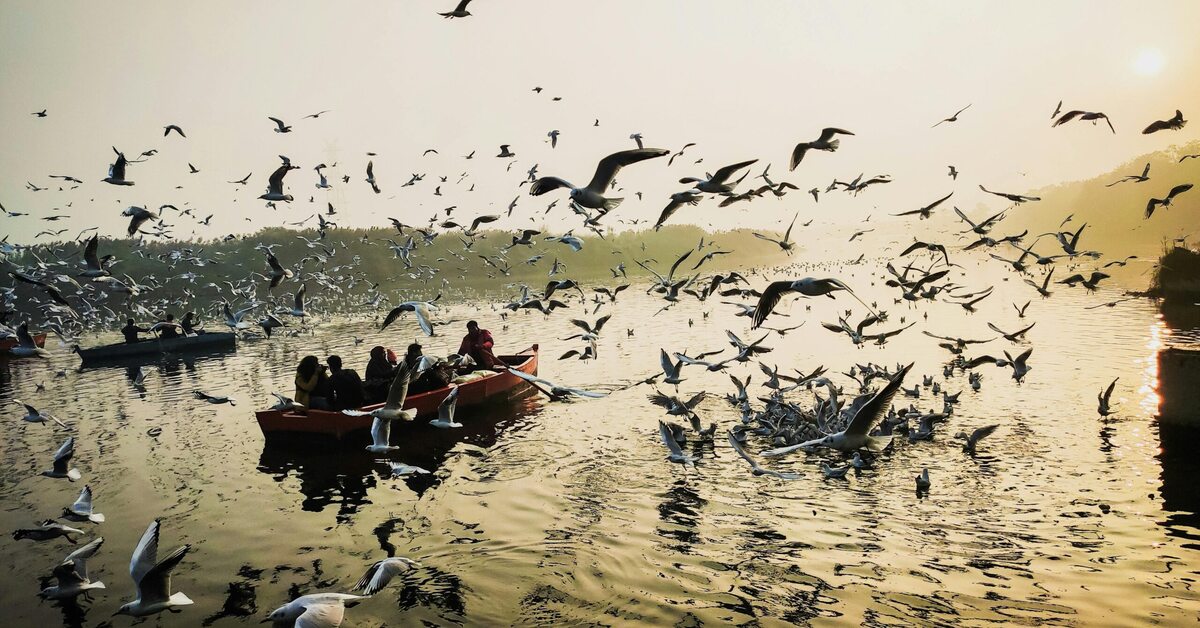
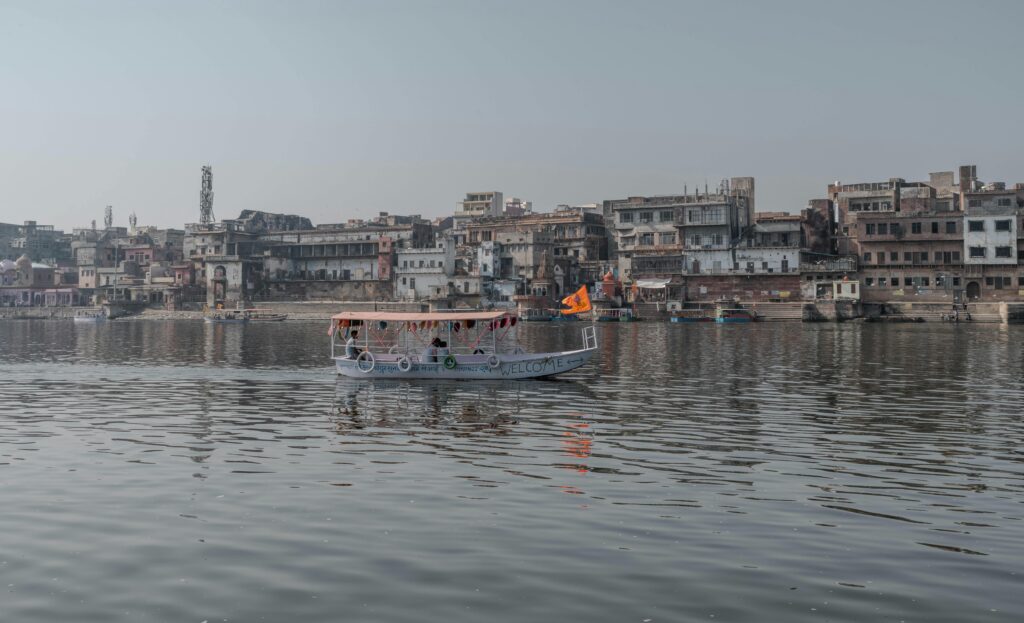
Boat rides are the most accessible and arguably most magical way to experience Varanasi. Early morning sunrise boat rides show you the ghats coming to life—yogis practicing, priests performing rituals, devotees bathing—all while your parents sit comfortably.
Book private boats with cushioned seating (₹600-1,000 per hour). Early mornings (5:30-7:30 AM) are coolest and most atmospheric. Evening rides during aarti time are equally spectacular. The boat operator can adjust the route based on what your parents most want to see.
Evening Aarti from Comfortable Viewpoints
Besides the boat option, several restaurants and viewing platforms offer comfortable aarti viewing. The rooftop restaurants near Dashashwamedh Ghat provide cushioned seating with clear views—you’ll pay for dinner, but your parents watch in climate-controlled comfort.
Some hotels along the ghats have private balconies or terraces from which the aarti is visible. When booking accommodation, specifically ask about aarti viewing options from the hotel premises.
Sarnath: A More Accessible Day Trip
Sarnath, just 10 kilometers from Varanasi, is where Buddha gave his first sermon. It’s significantly more accessible than Varanasi itself—wider paths, less crowded, better maintained, and vehicles can reach right up to the archaeological sites.
The Dhamek Stupa, Mulagandha Kuti Vihar (with beautiful frescoes), and the Sarnath Museum are all manageable with minimal walking. The entire complex feels more serene and less overwhelming than Varanasi’s intensity. Allocate half a day for this trip—it offers profound spiritual experiences without the physical demands of Varanasi’s old city.
Practical Tips for Caregivers
Pacing the Itinerary
This cannot be overstated: plan for half of what you think you can accomplish. Varanasi’s heat, crowds, and sensory intensity are exhausting even for able-bodied visitors. For parents with limited mobility, fatigue sets in much faster.
Plan one major activity per day—morning boat ride one day, temple visit another day, Sarnath trip on the third day. Build in substantial rest time, ideally back at the hotel during the hottest afternoon hours (noon to 4 PM).
Rest Stops and Hydration
Scout out rest spots along your routes—chai shops with seating, temple courtyards with benches, guesthouse lobbies where you can pause. Your guide should know these locations.
Carry water bottles constantly and encourage frequent sipping, even if your parents don’t feel thirsty. Dehydration sneaks up quickly in India’s climate. Avoid heavy meals during the day; light snacks maintain energy better without causing discomfort.
Emotional Support and Patience
Your parents might feel frustrated at their limitations, especially when they see others climbing all the ghat steps or pushing through crowds. Remind them (and yourself) that the spiritual experience of Varanasi isn’t measured in steps climbed or temples entered—it’s about the connection they feel to this ancient, sacred place.
Sometimes just sitting by the Ganges, watching the river flow as it has for millennia, offers more profound peace than rushing through a checklist of sites. Be patient with slower movement, frequent rest needs, and potential emotional moments when the spiritual significance of the place hits home.
Essential Items to Pack
Beyond standard travel items, bring these specifically for accessible travel in Varanasi:
- Folding walking stick or cane (even if not usually needed)
- Comfortable, sturdy closed-toe shoes with good grip
- Portable folding stool for rest stops where seating isn’t available
- Light shawl or scarf for temple visits and evening boat rides
- Hand sanitizer and wet wipes (access to clean restrooms is limited)
- Small flashlight (lanes can be very dark at night)
- Cooling towels for the heat
- Cushion or back support for car rides on bumpy roads
- Photocopies of important documents kept separately from originals
- Printed hotel address in Hindi for showing to rickshaw drivers
Budgeting for Accessibility Services
Accessible travel costs more—that’s the reality. For a 3-4 day Varanasi trip with parents who need accessibility support, budget approximately:
- Accessible hotel: ₹3,000-6,000 per night
- Private car with driver: ₹2,500-3,500 per day
- Local guide: ₹1,500-2,500 per day
- Private boat rides: ₹1,000-2,000 per session
- Porter/wheelchair assistance: ₹500-1,000 per day
- VIP temple darshan arrangements: ₹2,000-5,000 one-time
- Accessible dining (higher-end restaurants): ₹500-1,000 per meal per person
Total additional cost for accessibility: approximately ₹25,000-40,000 beyond standard travel expenses. This might seem significant, but it’s the investment that makes the trip possible and comfortable rather than stressful and potentially harmful.
Real Stories from Families
Rajesh from Mumbai shared that his 78-year-old father had always dreamed of bathing in the Ganges but used a walker. They arranged for a private boat to anchor in shallow water near Assi Ghat, where his father could safely enter the river with support. “The joy on his face was worth every rupee we spent on arrangements,” Rajesh recalls.
Priya from Bangalore found that her mother, who has arthritis, actually preferred the boat-based Varanasi experience. “She saw more from the water than most tourists see on foot, and without any pain. We did sunrise boat ride, aarti from the boat, and a peaceful evening cruise. She felt completely fulfilled spiritually.”
These stories underscore an important truth: accessible travel to Varanasi requires creativity, but it’s absolutely possible and can create some of the most meaningful family memories.
Conclusion
Varanasi rewards those who approach it with patience, preparation, and realistic expectations. Yes, it’s challenging terrain for parents with limited mobility, but it’s far from impossible. The key lies in reimagining how you experience the city—prioritizing quality over quantity, comfort over exhaustive sightseeing, and spiritual connection over physical achievement.
Your parents don’t need to climb every ghat or visit every temple to feel Varanasi’s profound spirituality. A sunrise boat ride showing them the ancient city awakening, an evening aarti viewed from the comfort of a cushioned boat, quiet moments sitting by the Ganges watching the eternal river flow—these accessible experiences carry the full weight of Varanasi’s spiritual essence.
With the practical strategies outlined in this guide—from choosing the right accommodation and transportation to timing your activities and hiring the right support—you can create a Varanasi pilgrimage that honors your parents’ spiritual aspirations while respecting their physical limitations. The effort you invest in planning will be repaid a thousandfold in the gratitude and joy your parents express at fulfilling this profound journey.
Remember, thousands of elderly pilgrims visit Varanasi every year, many with significant mobility challenges. Where there’s spiritual will, there’s almost always a practical way. Your parents’ journey to this eternal city is not just possible—it can be beautiful, comfortable, and deeply meaningful.
FAQs
1. Can wheelchair users visit Varanasi’s main ghats?
While the ghats themselves have steep steps that wheelchairs cannot navigate, wheelchair users can experience the ghats from boats on the Ganges River. Additionally, some ghats like Assi Ghat have upper platforms accessible by vehicle where you can view the river and activities. The top portions of most ghats are relatively flat and can accommodate wheelchairs with assistance. Hiring local helpers to manage the wheelchair on uneven terrain is advisable and typically costs ₹300-500 for several hours.
2. What’s the best time of day to visit with elderly parents?
Early morning (5:30-7:30 AM) is ideal—it’s cooler, less crowded, and offers the most beautiful light for viewing the ghats. Late afternoon to evening (4:00-7:00 PM) is the second-best option for experiencing evening aarti and cooler temperatures. Avoid midday hours (11 AM-4 PM) when heat is intense and crowds peak. Plan indoor or back-at-hotel rest periods during these hours to prevent exhaustion.
3. Are there accessible toilet facilities along the ghats?
Unfortunately, public toilet facilities along the ghats are generally not accessible and often not particularly clean. Your best strategy is to use facilities at your hotel before departing, at restaurants along your route (call ahead to ask about accessibility), or return to your hotel during the day. For boat rides, use restrooms immediately before boarding as there are no facilities on the boats. Carrying personal hygiene supplies is essential.
4. How much should I tip for accessibility assistance in Varanasi?
Tipping culture is important for accessibility services. For wheelchair pushers or porters helping with mobility, ₹200-300 for a few hours is appropriate. For drivers providing exceptional service beyond driving (helping with navigation, acting as translators, etc.), ₹300-500 per day on top of their daily rate is generous. Hotel staff who go out of their way for accessibility needs appreciate ₹100-200. Local guides who customize experiences for mobility challenges deserve the standard 10% of their fee as a tip.
5. Is it safe for elderly parents with health conditions to travel to Varanasi?
With proper precautions, yes. Consult your parents’ doctors before the trip, especially if they have heart conditions, respiratory issues, or diabetes. Carry all medications with extra supplies, know the location of quality hospitals, and don’t hesitate to scale back activities if your parents show signs of exhaustion. The biggest risks are heat exhaustion, dehydration, and food-borne illness—all preventable with sensible precautions. Travel insurance with medical coverage is essential. If your parents have serious health vulnerabilities, consider traveling during the coolest months (December-January) and keeping the trip shorter (2-3 days rather than 4-5).